
Designing a Space That Works as Good as It Looks
A beautiful room should do more than look impressive in photos. It should make daily routines easier, help the household stay organized, support comfort, and feel welcoming throughout the year. The smartest updates are the ones that combine visual appeal with practical benefits, so every improvement serves a clear purpose.
Before choosing materials or finishes, it helps to think about how the space is actually used. Do family members gather there every evening? Is it a place for entertaining guests? Does it need to support children, pets, remote work, hobbies, or quiet relaxation? These questions can guide better choices and prevent decisions based only on trends.
Style and function work best when they are planned together. A room may look polished at first, but if it lacks storage, good lighting, durable surfaces, or comfortable seating arrangements, it can quickly become frustrating. On the other hand, practical upgrades can still feel warm, stylish, and personal when the design is intentional.
The following remodeling choices can help homeowners create spaces that are attractive, useful, and built for real life.
Plan Around How the Space Will Be Used Every Day

A successful home renovation starts with understanding what is not working now. Before making changes, walk through the room and make a list of daily frustrations. Maybe the seating arrangement feels awkward, the room is too dark, there is not enough storage, or the finishes look dated. These pain points should shape the project from the beginning.
It is also helpful to divide goals into categories. Some updates may be cosmetic, such as changing wall colors or replacing worn surfaces. Others may be functional, such as improving traffic flow, adding storage, or upgrading electrical access. When these goals are separated clearly, it becomes easier to decide where to spend more and where to save.
A remodel contractor can help homeowners turn general ideas into a realistic plan. Professionals can evaluate the existing layout, identify hidden challenges, and explain what is possible within the budget. This is especially important when the project involves structural changes, electrical work, built-ins, flooring transitions, or multiple trades.
Before hiring anyone, homeowners should ask for examples of similar projects, proof of licensing when applicable, references, and a detailed written estimate. The estimate should explain labor, materials, timelines, and what happens if unexpected issues come up. Clear expectations at the beginning can prevent confusion later.
Another smart planning step is to think several years ahead. A room designed only around current trends may feel outdated quickly. Instead, focus on a flexible layout, durable finishes, and timeless design features that can adapt as the household changes. This approach makes the space more useful now and more valuable over time.
Improve the Room With Better Color and Lighting
Color has a major effect on how a room feels. Lighter tones can make a space feel larger and brighter, while deeper colors can add warmth, drama, and definition. The best choice depends on the amount of natural light, the size of the room, and the mood homeowners want to create.
Working with interior painters can help ensure a cleaner, more professional finish, especially in rooms with high ceilings, detailed trim, built-ins, or textured walls. Professionals can also recommend paint types based on durability, sheen, and cleanability. For busy households, washable finishes are often a smart choice in high-use areas.
Lighting should be planned just as carefully as paint. A room with only one overhead fixture can feel flat or harsh. Layered lighting creates a more comfortable effect by combining ambient, task, and accent lighting. Ambient lighting brightens the entire room, task lighting supports reading or work, and accent lighting highlights artwork, shelving, or architectural features.
A licensed electrician should be involved when adding fixtures, outlets, dimmers, or smart lighting controls. Older homes may not have enough outlets for modern needs, especially in spaces used for entertainment, charging devices, or flexible seating. Adding outlets in the right places can make a room more convenient and reduce visible cords.
Dimmers are one of the simplest upgrades for improving both style and function. Bright light may be useful for cleaning or family activities, while softer light works better for relaxing or entertaining. Smart switches and programmable systems can add even more convenience, allowing homeowners to adjust lighting based on time of day or activity.
The key is to plan color and lighting together. A paint color can look completely different under warm bulbs, cool bulbs, natural light, or recessed fixtures. Testing samples on the wall and viewing them at different times of day can help homeowners avoid surprises.
Choose Surfaces That Balance Comfort and Durability
Flooring has a major impact on the look, comfort, and maintenance of a room. The right choice should match how the space is used. A formal room with light traffic may allow for more delicate materials, while a busy family area needs surfaces that can handle shoes, pets, spills, toys, and daily movement.
Carpet can make a room feel softer, quieter, and more comfortable. It is especially useful in spaces where warmth and noise reduction matter. Families with young children may appreciate the cushioned surface, while homeowners in colder climates may enjoy the added coziness. When choosing this option, it is important to consider stain resistance, pile height, padding quality, and maintenance needs.
Hardwood flooring offers a classic look and strong long-term appeal. It works well in many design styles, from traditional to modern, and can make a space feel more open and connected. Depending on the type of wood and finish, it may also be refinished later, which can extend its life and refresh the room without a full replacement.
For households with pets or heavy use, durability should guide the decision. Some wood species are harder than others, and certain finishes resist scratches better. Area rugs can also help protect high-traffic zones while adding color, texture, and comfort.
Another consideration is how flooring connects to nearby rooms. Sudden material changes can make a home feel choppy, while thoughtful transitions create better flow. Homeowners should consider sightlines from hallways, entryways, and adjoining spaces before choosing a material.
The best surface choice is not always the most expensive one. It is the one that supports the way people live in the home. A stylish floor that is difficult to maintain may become frustrating, while a practical surface with the right color and texture can elevate the entire design.
Add Storage That Looks Built Into the Design

Clutter can make even a beautiful room feel unfinished. Smart storage helps keep everyday items accessible without leaving them scattered across tables, chairs, and floors. The goal is not just to hide things away, but to create storage that feels like a natural part of the room.
A custom closet can be useful beyond bedrooms. In nearby entry areas, hallways, or multipurpose spaces, custom storage can hold coats, games, electronics, seasonal items, cleaning supplies, or hobby materials. When designed well, it can reduce clutter in main living areas and make the entire home easier to manage.
Built-in shelving, window benches with hidden compartments, media cabinets, and wall units are also practical choices. These features can frame a focal point, provide display space, and keep items organized. Closed storage works well for things that do not need to be seen, while open shelves can showcase books, art, baskets, and decorative pieces.
Cabinet refinishing is a smart option when existing storage is structurally sound but visually outdated. Instead of replacing everything, homeowners can update the finish, color, hardware, or door style to create a fresher look. This can be especially effective for built-ins, entertainment centers, shelving units, or storage cabinets near main gathering areas.
When planning storage, measure what actually needs to be stored. Guessing often leads to cabinets that are too shallow, shelves that are too short, or drawers that do not support daily use. Think about electronics, cords, blankets, board games, books, pet items, children’s toys, and remote controls.
Storage should also be easy to use. Deep cabinets may hold more, but items can get lost in the back. Adjustable shelves, pullout trays, labeled bins, and divided drawers can make storage more practical. The more intuitive the system is, the more likely the household will keep using it.
Create a Strong Focal Point With Warmth and Character

Every well-designed room benefits from a focal point. This is the feature that naturally draws attention and gives the space a sense of structure. In some rooms, the focal point may be a large window, artwork, a media wall, or a built-in feature. In others, it may be a heat feature that adds both visual interest and comfort.
Fireplace installation can completely change how a room feels and functions. A thoughtfully placed feature can anchor the seating area, create a cozy atmosphere, and make the room more inviting during colder months. Before moving forward, homeowners should consider fuel type, ventilation, safety clearances, room size, and local code requirements.
There are many styles to choose from. Traditional masonry designs offer a classic look, while sleek linear models work well in modern spaces. Gas options can be convenient and clean-burning, while electric models may be easier to install in certain settings. The right choice depends on budget, existing structure, and how much heat output is needed.
Fireplaces also affect furniture placement. Seating should be arranged so the feature feels connected to the conversation area without blocking walkways. If a television will be mounted nearby, the height and viewing angle should be planned carefully to avoid neck strain. The surrounding wall can include shelving, stone, tile, wood accents, or a simple mantel, depending on the style of the room.
Safety should always be part of the design. Proper spacing from combustible materials, professional installation, and routine maintenance are essential. Families with children or pets may also want barriers, screens, or cooler-touch materials.
A focal point should not overpower the space. It should support the room’s overall purpose. When the scale, materials, and placement are right, this type of feature can add comfort, character, and long-term appeal.
Focus on Practical Details That Make the Room Easier to Live In
The most successful updates often come from small details that improve daily life. These may not be the flashiest parts of a project, but they can make the biggest difference over time. Before finalizing a design, homeowners should think about convenience, maintenance, safety, and flexibility.
Outlet placement is one example. Rooms today need power for lamps, chargers, speakers, televisions, gaming systems, laptops, and cleaning tools. Outlets behind furniture, near seating, or inside built-ins can reduce cord clutter and make the space easier to use.
Traffic flow is another important detail. A room should be easy to move through without bumping into furniture or squeezing through narrow paths. Leave enough space between sofas, tables, chairs, and walkways. This is especially important in homes with children, pets, older adults, or frequent guests.
Furniture scale matters as well. Oversized pieces can make a room feel cramped, while furniture that is too small may look disconnected. Measuring before buying prevents costly mistakes. Homeowners should also consider flexible pieces, such as nesting tables, storage ottomans, modular seating, and movable accent chairs.
Materials should be chosen with maintenance in mind. A surface that looks beautiful but stains easily may not be the best choice for an active household. Washable fabrics, durable finishes, scratch-resistant surfaces, and easy-clean materials can help the room stay attractive longer.
Acoustics are often overlooked. Hard surfaces can cause echo, while softer materials help absorb sound. Rugs, curtains, upholstered furniture, wall hangings, and textured accents can make a room feel calmer and more comfortable.
Finally, leave room for personality. Practical design does not have to feel plain. Artwork, plants, family photos, textiles, and meaningful accessories can make the room feel lived in and unique. The best spaces combine usefulness with details that reflect the people who live there.
Bringing Style and Function Together
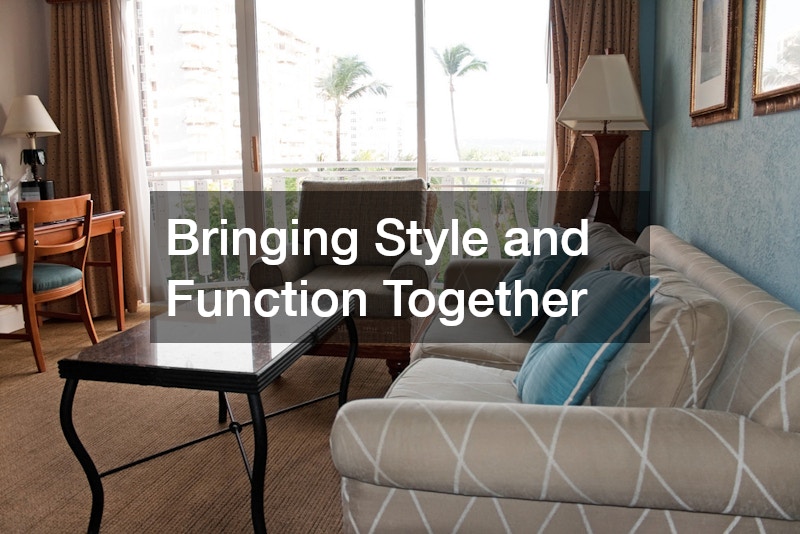
Smart remodeling is not about choosing between beauty and practicality. The best spaces include both. A room should look polished, but it should also support daily routines, reduce frustration, and make the home more comfortable to live in.
Thoughtful planning helps homeowners avoid rushed decisions and disconnected upgrades. When layout, lighting, surfaces, storage, focal points, and daily-use details are considered together, the result feels more complete. Each choice supports the next, creating a room that is easier to maintain and more enjoyable to use.
Trends can be inspiring, but lasting value comes from decisions that fit the household’s lifestyle. Durable materials, flexible layouts, efficient lighting, organized storage, and comfortable gathering areas are always worthwhile. These choices make a space feel current without becoming dated too quickly.
A well-designed room should welcome people in, support the way they live, and continue working well for years. With the right balance of style and function, homeowners can create a space that feels beautiful, comfortable, and genuinely useful every day.
