
Successful property flipping is rarely won or lost on purchase price alone. While buying below market value provides an essential safety margin, true profitability hinges on execution speed, trade coordination, and protecting project timelines from unnecessary delays. Every day an acquisition sits idle waiting on subcontractors or materials, holding costs quietly erode net returns through debt service, insurance premiums, taxes, and utility carrying costs.
Novice investors often fall into the trap of doing the work themselves or hiring loose day labor to save upfront capital, only to lose far more on backend delays, failed building inspections, and substandard finishes that suppress appraisal values. Transitioning into a professional flipper means stepping off the demo floor and stepping into the role of a construction manager. Your primary job is orchestrating specialized trade partners, securing reliable site utilities, and making strategic renovation upgrades that buyers will enthusiastically pay a premium for when the property hits the market.
Executing a high-yield flip requires a systematic approach. By sequencing site logistics early, executing clean mechanical upgrades, renovating focal living spaces, and finishing with attractive exterior amenities, you build an efficient pipeline that moves properties from tear-out to closing day smoothly and predictably.
Setting Up Site Logistics and Waste Management Before Demo Day

Before any walls are removed or cabinets pulled down, a professional jobsite must be properly staged. Many investors overlook basic jobsite logistics, leading to cluttered work areas, property damage, and lost crew productivity. Clean, organized worksites consistently produce faster, higher-quality output with fewer municipal or safety issues.
Sizing and Staging Roll-Off Containers for High-Volume Debris
Demolition generates substantial material volume that must be discarded immediately to prevent trade congestion and safety hazards. Bringing in a roll-off dumpster rental before structural work begins ensures that debris moves directly from interior walls into a secure container rather than piling up on lawns or driveways.
- Estimate Weight Classes Accurately: Plaster, concrete, tile, and brick weigh significantly more than lightweight drywall and wood framing. Exceeding tonnage allowances can trigger heavy overweight fees from transfer stations, so consider reserving a dedicated heavy-debris container for masonry alongside a larger container for general framing materials.
- Protect Concrete and Asphalt Surfaces: Heavy metal roll-offs can crack residential driveways or gouge soft asphalt during summer heat. Direct the delivery driver to place three-inch-thick wood planks or heavy plywood beneath the container rollers to distribute weight evenly.
- Confirm Municipal Encroachment Rules: If a roll-off container must sit on a public street, curb, or sidewalk due to a steep or narrow driveway, pull the necessary right-of-way permit well ahead of time. Unpermitted street containers run the risk of daily municipal fines or abrupt impoundment by city code compliance.
Maintaining Hygiene and Subcontractor Sanitation on Inactive Utilities
Water mains are frequently shut off during the rough-in and demolition phases of a gut renovation to prevent accidental line cuts, flooding, or freezing pipes. Subcontractors on-site for eight to ten hours a day require functioning sanitary facilities. Without proper amenities, workers are forced to leave the site repeatedly, causing schedule delays, or worse, they may use non-functioning indoor plumbing fixtures and damage newly exposed rough-ins.
- Secure Commercial Sanitization Units Early: Scheduling portable toilet rentals ahead of demo day provides your crews with dedicated on-site amenities from the moment work begins. This small logistical step keeps trades focused on site and maintains a clean, professional workplace.
- Establish Regular Service Schedules: For full-crew flips with carpenters, electricians, and plumbers working simultaneously, book twice-weekly servicing rather than standard weekly pump-outs to ensure high hygiene standards throughout warm months.
- Position Strategically for Accessibility: Place the unit out of the primary exterior photograph framing angles and behind construction fences, while keeping it readily accessible on level ground for vacuum truck service hoses.
Revitalizing Core Wet Areas for Maximum Buyer Appeal
Kitchens and bathrooms sell homes. These wet areas represent the highest cost per square foot in any residential flip, but they also offer the greatest return on investment when executed with durable, appealing finishes. The key is balancing upscale visual appeal with efficient, off-the-shelf components that minimize installation labor.
Prioritizing Ergonomics and Layout Efficiency in Cooking Zones
The kitchen serves as the visual and emotional centerpiece of any open-concept floor plan. Buyers immediately inspect cabinetry quality, countertop durability, and overall workflow. Trying to manage complex kitchen installations using piecemeal handymen often leads to misaligned door fronts, crooked crown molding, and botched appliance cutouts.
Partnering with an experienced kitchen contractor ensures that the layout functions smoothly and complies with standard clearance zones between islands, cooktops, and refrigerators.
- Maintain the Golden Work Triangle: Keep the travel path between the refrigerator, sink, and cooktop between four and nine feet per leg, free of physical bottlenecks like protruding peninsulas or awkward island corners.
- Specify Solid Plywood Box Cabinetry: Avoid particle board options that swell when exposed to sink moisture. Opt for semi-custom shaker-style cabinets with soft-close hardware, which provide a premium feel without the lead times of bespoke cabinet shops.
- Standardize on Engineered Quartz Surfaces: Quartz provides the luxury appearance of natural marble without the porosity, staining risks, or ongoing sealing requirements that turn off discerning home buyers.
- Rough-In Dedicated Appliance Circuits: Ensure your electrical plans incorporate dedicated 20-amp circuits for high-draw items like microwaves, dishwashers, and garbage disposals before drywall closes, avoiding tripped breakers during home inspections.
Overhauling Secondary Bathrooms on Accelerated Timelines
Secondary and hall bathrooms must endure daily traffic from children and guests. Because these rooms are generally compact, tile mistakes, uneven vanity installations, and poor plumbing rough-ins stand out glaringly to buyers and home inspectors.
Hiring reputable bathroom remodelers allows you to complete tile work, waterproofing, and fixtures on tight deadlines without risking chronic hidden leaks.
- Insist on Continuous Waterproofing Systems: Require subcontractors to use modern waterproof sheet membranes or liquid-applied barriers behind all shower tile rather than relying solely on greenboard or unsealed cement backer board.
- Choose Classic, Neutral Finishes: Subway tile laid in offset or vertical patterns provides an affordable, high-end look that broadens buyer appeal and keeps material costs manageable.
- Select Modern Pre-Fabricated Vanities: Pre-assembled vanity combos that include integrated stone tops and undermount porcelain sinks save substantial on-site fabrication and carpentry time.
- Maximize Storage in Tight Dimensions: Install recessed mirrored medicine cabinets or narrow built-in linen niches between wall studs to add practical storage without encroaching on floor space.
Upgrading Primary En-Suites and Preserving the Building Envelope
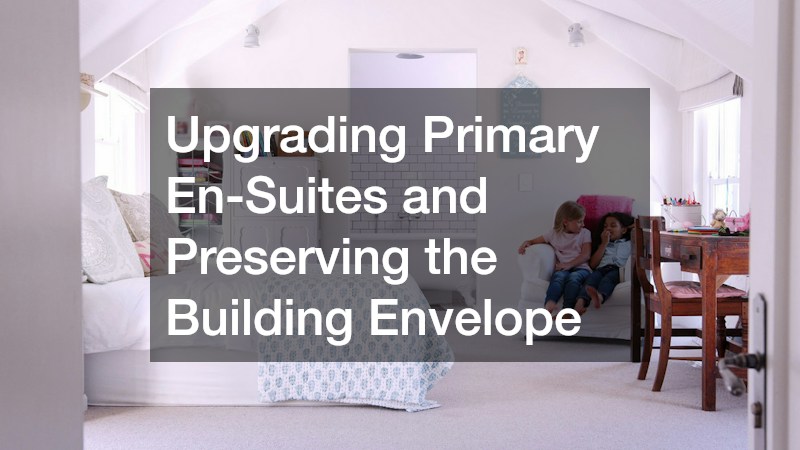
The primary bedroom suite is a key emotional trigger for buyers. When prospective purchasers walk into an expansive primary bathroom, they evaluate whether the space feels like a private, restful retreat. At the same time, cosmetic beauty must be backed up by a clean building envelope; drafty rooms, clouding windowpanes, and failing frames ruin that premium impression.
Designing Cohesive Master Retreats That Drive Top-Dollar Offers
A primary bathroom renovation demands higher specifications than a secondary hallway bath. Buyers in this price tier expect walk-in showers, separate water closets, and double vanities with coordinated metal finishes.
Executing a showcase master bath remodel elevates your listing above competing neighborhood inventory and helps justify an aggressive asking price.
- Build Frameless Walk-In Showers: Ditch old tub-and-shower combos in primary en-suites in favor of spacious walk-in showers with clear frameless glass panels, curbless entries, and integrated shower niches.
- Incorporate Dual-Sink Stations: Whenever space allows, preserve room for a minimum 60-inch double vanity. Buyers view shared single sinks in primary suites as a major compromise.
- Prioritize Proper Ventilation Rates: Prevent mold growth and steam buildup by installing high-CFM, ultra-quiet exhaust fans vented directly through the roof or exterior wall, avoiding discharges into attic insulation.
- Coordinate Hardware Finishes Systematically: Match shower trim kits, sink faucets, mirror frames, and cabinet pulls in consistent tones like brushed brass, matte black, or polished nickel for a curated, designer look.
Eliminating Glazing Failures and Drafts on Exterior Openings
Windows represent a vulnerable intersection of aesthetics, safety, and energy efficiency. While replacing every window frame in a house can easily inflate a renovation budget by tens of thousands of dollars, leaving damaged, drafty, or fogged units will prompt buyers to demand credits during inspection negotiations.
Targeted window glass replacement provides a cost-effective solution when original vinyl or wood window frames remain structurally square and functional.
- Repair Broken Insulated Glass Seals: Double-pane windows with failed perimeter seals display cloudy condensation and mineral deposits between the glass. Swapping out just the insulated glass unit restores crystal-clear sightlines at a fraction of full-frame replacement costs.
- Address Safety Glass Compliance Codes: Building codes strictly mandate tempered safety glass in panes located adjacent to doors, within wet shower areas, or within eighteen inches of the finished floor.
- Inspect Sash Balances and Latches: Clean, lubricate, and replace worn sash cords, spiral balances, and locking mechanisms so every window opens smoothly and stays upright safely during buyer walk-throughs.
Overhauling Critical Mechanical, Electrical, and Climate Systems
Cosmetics might attract showings, but mechanical infrastructure passes inspections and secures bank financing. Savvy buyers will look straight past new paint and quartz countertops if heating and cooling systems are at the end of their operational lives. Upgrading and certifying major mechanical equipment protects your deal from failing during escrow.
Upgrading Cooling Capacity and Air Distribution Efficiency
Air conditioning problems are among the most common reasons buyers back out of real estate transactions or demand major repair allowances. An old, undersized, or poorly charged system cannot keep up with high summer cooling demands, immediately raising red flags for prospective buyers.
Bringing in a licensed AC company during the early rough-in phase ensures that cooling equipment is correctly sized, duct runs are leak-free, and cooling systems comply with current energy-efficiency benchmarks.
Servicing Hydronic Heating Infrastructure in Older Homes
In historic homes and properties located throughout northern markets, hydronic radiator systems and closed-loop baseboards are common heating configurations. Ripping out robust cast-iron hydronic infrastructure in favor of forced-air ductwork can be cost-prohibitive and structurally disruptive.
Bringing in a heating specialist for thorough boiler repair restores silent, comfortable radiant heat while keeping classic architectural integrity intact.
Maximizing Outdoor Appeal with High-Yield Amenities

Curb appeal and exterior living spaces are critical components of a modern property flip. Today’s buyers increasingly prioritize private, functional outdoor living areas that serve as entertainment hubs. Thoughtful backyard upgrades set a listing apart from standard suburban homes and give marketing listings memorable lifestyle appeal.
Building Relaxing Patio Features and Hydrotherapy Retreats
An unadorned backyard lawn can feel uninspired, but an inviting patio retreat helps buyers picture weekend relaxation and outdoor gatherings with friends.
Positioning an attractive, portable hot tub on a reinforced concrete slab or dedicated patio deck adds distinct lifestyle appeal, especially in vacation-home markets or upscale primary residences.
- Pour Dedicated Reinforced Concrete Pads: Avoid setting heavy hydrotherapy tubs on paver sand or untreated dirt. A four-inch-thick, rebar-reinforced concrete pad prevents settling that can crack internal plumbing lines or warp shell frames.
- Run Dedicated High-Amperage Electrical Lines: Most high-capacity hydrotherapy spas require a dedicated 220-volt, 50-amp GFCI disconnect box mounted within line of sight of the unit, but no closer than five feet for user safety.
- Provide Privacy Through Landscaping Elements: Surround the relaxation zone with horizontal cedar privacy screening, modern pergolas, or lush evergreen arborvitae to create an intimate sanctuary shielded from neighboring properties.
- Integrate Low-Voltage Landscape Lighting: Pathway lights, uplit trees, and patio string lights highlight outdoor entertainment areas during evening buyer viewings and enhance dusk real estate photography.
Creating Showcase Water Elements in Upper-Tier Neighborhoods
In warm regions and executive-tier subdivisions, outdoor water features can serve as the primary factor that drives premium valuations. Homes in these neighborhoods without private outdoor recreation options often linger on the market while buyers gravitate toward properties with resort-style yards.
Contracting a licensed residential pool builder to construct or fully resurface an in-ground concrete or fiberglass pool creates an impressive backyard centerpiece that anchors luxury listings.
Mastering Trade Sequencing to Maximize Investment Returns

Managing a profitable real estate flip requires deliberate organization, trade delegation, and careful scheduling. Every phase of construction builds directly upon the work that came before it. Cutting corners on jobsite staging, skipping mechanical evaluations, or managing specialized trades without clear communication leads to costly mistakes that eat into your profit margins.
When you treat your fix-and-flip projects like a disciplined business, coordinate reliable trade specialists, and manage each phase with precision, you avoid expensive holding-cost traps. The result is a high-quality, beautifully updated home that appraises smoothly, sells quickly, and consistently yields strong returns on your investment capital.
