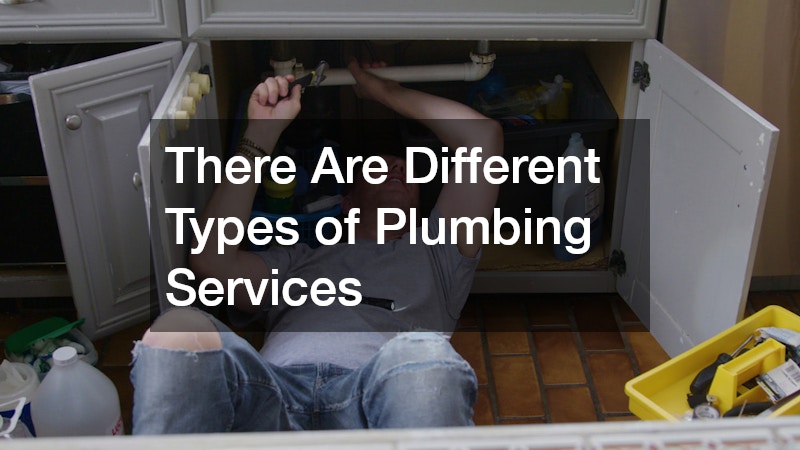
When it comes to maintaining a functional home, plumbing plays a crucial role. Whether you’re dealing with a minor leaky faucet or a major sewer line replacement, understanding the costs behind plumbing services can help you make informed decisions. This knowledge not only prepares you for potential expenses but also helps you establish a reliable relationship with your plumber.
Furthermore, being aware of various factors that influence plumbing costs can save you considerable amounts of money in the long run. This blog post will delve into the primary aspects that determine plumbing service costs, enabling you to approach your plumbing needs with confidence.
Factors Influencing Plumbing Costs
The cost of plumbing services varies significantly based on different factors. Geographic location plays a key role, as plumbing rates can differ based on local demand, cost of living, and competition among plumbing contractors. Urban areas often have higher labor rates compared to rural locations. Additionally, the complexity of the job significantly influences the overall cost. A simple repair job will typically cost less than extensive installations or emergency plumbing services. Understanding these factors can provide insight into why estimates may vary and help to set realistic expectations.
Types of Plumbing Services
Different plumbing services come with their respective price tags. Routine maintenance services like drain cleaning or basic inspections are generally more affordable, typically ranging from $75 to $150. However, more complex services, such as water heater installations or plumbing system upgrades, can soar above $1,000. Emergency plumbing services also command higher fees due to the urgency and time of day, sometimes going upwards of $300. Knowing the range of potential costs for various services helps homeowners evaluate their needs and select appropriate plumbing solutions.
Labor Costs and Additional Expenses
One of the most significant factors contributing to plumbing costs is labor. Plumbers typically charge an hourly rate that can range from $45 to $200, with the average national rate hovering around $75 to $120. In addition to labor, there may be additional expenses, including trip charges, equipment rental fees, or costs for materials and parts. Emergency calls can also incur extra fees, especially if they occur after regular business hours. Knowing how labor rates and additional expenses add up can prevent unexpected financial strains when addressing plumbing needs.
Estimates and Quotes
It is essential to request detailed estimates or quotes before embarking on any plumbing work. A reputable plumber should provide a comprehensive breakdown that includes labor, materials, and any additional fees. Make sure to compare quotes from multiple service providers to ensure you’re getting a fair deal. While the cheapest option may not always be the best, understanding the cost structures can lead to informed choices. This diligence in obtaining and scrutinizing estimates is instrumental in avoiding surprise costs, which may significantly affect your budgeting.
Preventative Measures and Long-Term Savings
Investing in preventative plumbing maintenance can substantially reduce long-term costs. Regular inspections and maintenance can identify potential issues before they become major problems. For instance, addressing minor leaks promptly can prevent extensive water damage and costly repairs later. Additionally, understanding your home’s plumbing system can empower you to perform simple tasks or recognize issues that require professional intervention, ultimately saving you money. Embracing a proactive approach towards plumbing can result in substantial savings and prolonged efficiency of your plumbing system.
Understanding the cost of plumbing services is vital for any homeowner. Factors such as the nature of the service, geographic location, and labor rates play considerable roles in determining overall costs. By being informed about pricing structures, types of services, and the importance of preventative maintenance, you can make sound decisions and take control of your plumbing needs. Ultimately, taking the time to research and understand plumbing costs not only prepares you for expenditures but also builds a solid foundation of trust with your plumbing service provider. With this knowledge, you’ll be better equipped to manage your home’s plumbing efficiently and effectively.