Preparing a residential property for the real estate market is rarely a simple matter of tidying up and putting a sign on the lawn. Today’s buyers are well-informed, selective, and quick to discount their offer price at the first sign of deferred maintenance. When prospective buyers step onto your driveway or walk through your front door, every detail sends a subtle signal about how well the home has been cared for over the years. Unaddressed repair issues create friction during contract negotiations, extend time on market, and frequently lead to severe price concessions following the home inspection phase.
To secure a fast sale at top market value, property owners must adopt a systematic, vendor-driven approach to pre-listing preparation. Taking a proactive stance allows you to control costs, dictate schedules, and present an immaculate product that stands out in competitive local inventory. Rather than scrambling at the last minute to fix structural red flags or aesthetic drawbacks, bringing in qualified professionals early transforms a potentially overwhelming overhaul into an organized, efficient operation.
This comprehensive checklist breaks down the primary operational phases necessary to bring any property up to peak market condition. By partnering with specialized trades and service providers across exterior, structural, climate, and financial categories, you can systematically remove friction points, maximize curb appeal, and safeguard your financial return when it comes time to close the deal.
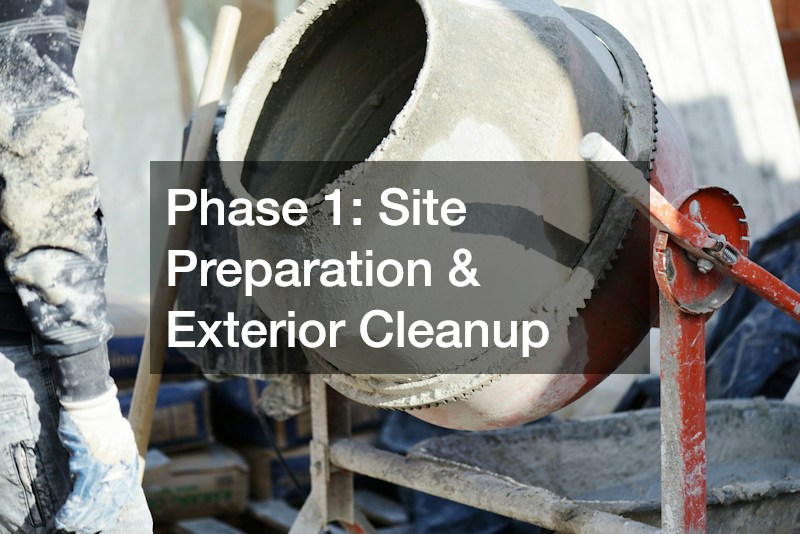
Phase 1: Site Preparation & Exterior Cleanup
First impressions begin at the property line long before a prospective buyer sets foot inside the home. Overgrown landscaping, dangerous dead wood, clutter, and unmanaged yard debris immediately project an image of neglect, planting seeds of doubt about what hidden mechanical or structural issues might exist indoors. Clearing the grounds establishes an inviting boundary and ensures the home’s primary architectural features are completely visible from the street.
Reclaiming Yard Space and Eliminating Hazard Flags
Overgrown trees present both aesthetic and physical risks that savvy buyers and professional inspectors pick up on instantly. Large limbs overhanging the roof structure can drop leaves that clog gutter channels, retain moisture against asphalt shingles, and invite pest activity into the attic envelope. Furthermore, dense canopy growth blocks natural sunlight from reaching key windows, leaving interior spaces feeling dark, cramped, and unwelcoming during mid-day walkthroughs.
Conducting a thorough arboricultural audit across the perimeter helps establish clear visual boundaries while mitigating property liabilities:
- Identify dead, diseased, or unstable branches that pose a fall hazard to structural roofs, power connections, or parked vehicles.
- Lift low-hanging canopies to expose architectural lines and open sightlines from the main roadway.
- Trim root systems encroaching on retaining walls, foundation footings, or subterranean plumbing routes.
- Eliminate visual obstructions surrounding property boundaries to make total lot dimensions appear larger in professional real estate marketing photography.
When structural limbs or mature trunks pose an immediate risk, attempting DIY trimming can lead to property damage or serious safety hazards. Entrusting complex arboriculture to a certified professional equipped for safe tree removal guarantees that hazardous growth is cleared without risking damage to the home’s roofline or neighboring properties.
Streamlining Heavy Debris Disposal and Decluttering
Once major landscape clearing and indoor staging preparation commence, the sheer volume of discarded material can quickly overwhelm standard residential trash services. Old building components, outdated furniture, worn fixtures, and massive amounts of organic yard waste quickly accumulate, turning driveways or backyards into unsightly construction zones that ruin marketing photos and deter drop-by buyers.
Establishing a centralized waste handling strategy early keeps the job site safe, organized, and moving forward smoothly:
- Categorize items systematically into distinct piles for donation, recycling, hazard disposal, and landfill scrap.
- Empty attic crawlspaces, basements, and exterior storage sheds of long-accumulated personal debris.
- Clear away old landscaping ties, rotting timber decking, and obsolete outdoor structures.
- Safely discard worn household furnishings, including heavy frames and discarded bedding items like an old mattress, rather than leaving them stacked in garage corners or side yards.
To maintain momentum without constant trips to local transfer stations, renting a dedicated waste container is essential. Securing a temporary dumpster rental unit placed strategically on-site allows contractors and clean-up crews to discard heavy materials instantly, keeping walkways open and the property looking orderly throughout the entire renovation process.
Phase 2: Restoring Curb Appeal & Pavement Infrastructure
Driveways and entry paths make up a significant portion of a property’s front visual footprint. Cracked, pitted, or oil-stained pavement suggests that ongoing maintenance has been ignored, while clean, well-defined hardscapes immediately communicate quality and care. Investing in flatwork restoration delivers an exceptionally high visual return for relatively minimal capital output.
Restoring Driveway Integrity and Surface Finish
A neglected driveway creates an immediate hurdle for home buyers as soon as they pull up to the house. Over time, water infiltration, freeze-thaw cycles, and heavy vehicle traffic cause small surface cracks to expand into unsightly spiderweb patterns or hazardous potholes. Left unaddressed, these defects allow moisture to penetrate subterranean base layers, leading to structural base failures that can cost thousands to fully excavate and replace.
To protect the driveway structure and elevate exterior aesthetics, consider these targeted restoration measures:
- High-pressure wash the surface to extract deeply embedded oil stains, tire marks, moss, and dirt accumulation.
- Clean out deep expansion joints and fill structural surface cracks with specialized rubberized compounds to prevent water ingress.
- Apply a fresh, dark protective sealcoat to unify surface coloring and defend against UV degradation.
- Grade surrounding soil edges to guarantee water runoff flows completely away from asphalt borders and foundation walls.
Executing these specialized repairs requires commercial-grade equipment and specialized materials. Sourcing a reputable asphalt company ensures that base repairs, crack sealing, and protective coatings are applied correctly under proper environmental conditions, resulting in a smooth, dark surface that frames the entire home beautifully.
Upgrading Hardscape Safety and Visual Flow
For properties featuring severe asphalt degradation, extensive surface pitting, or unlevel subgrades, simple crack filling and sealcoating may not offer a sufficient cosmetic lift. When the main parking pads or access lanes are noticeably degraded, complete surface resurfacing becomes the most practical path to restoring full structural integrity and visual appeal.
Smooth, newly laid pavement delivers a polished, premium aesthetic that sets a positive tone before the buyer even steps out of their car:
- Eliminate tripping hazards caused by root intrusion or uneven ground settling along primary walking paths.
- Re-establish proper pitch and drainage angles to direct storm runoff toward municipal collection paths rather than the home’s foundation.
- Create crisp, defined borders where paved surfaces meet turf, garden beds, and peripheral hardscaping.
- Provide an immaculate, uniform surface for listing videos, drone photography, and buyer walkthroughs.
Investing in high-grade asphalt paving transforms tired, weathered access zones into pristine, heavy-duty surfaces. This upgrade eliminates immediate repair concerns for prospective buyers, allowing them to focus entirely on the home’s best features rather than budgeting for upcoming paving projects.
Phase 3: Securing the Home’s Main Access Points

Building entryways represent critical physical and emotional transition points during a property tour. When an entry door feels flimsy, sticks in its frame, or shows weathered hardware, or when a garage door operates loudly and jerkily, buyers subconsciously register poor quality. Ensuring all primary entry points function smoothly while offering modern security and energy performance builds immediate confidence.
Modernizing the Main Entrance for Maximum Impact
The front entry door serves as the focal point of a home’s exterior design. It is also the exact location where potential buyers stand for several minutes while real estate agents access the lockbox and unlock the home. During those quiet moments, buyers inspect every detail close up—from door frame paint quality and glass clarity to handle set solidness and draft sealing.
Because improper installation can compromise home security and energy performance, working with a specialized entry door company is crucial. Professional installers ensure airtight seals, seamless latch operation, and precise alignment that make entering the home feel solid, quiet, and secure.
Overhauling Vehicle Access and Storage Aesthetics
Garage doors frequently account for up to thirty percent of a home’s front-facing exterior facade. A faded, dented, or noisy garage door drastically lowers curb appeal and signals to buyers that mechanical systems may be reaching the end of their operational lifespan. Modern buyers view the garage as more than just a place to park; they see it as an extension of the living area, a workshop, or crucial storage space.
Replacing old, heavy mechanisms with modern replacement garage doors completely refreshes the exterior look of the home while reassuring buyers that the property’s largest moving mechanical feature operates safely, smoothly, and reliably.
Phase 4: Optimizing Indoor Comfort & Environmental Systems
While exterior staging catches a buyer’s eye, interior environmental comfort closes the deal. Nothing sends prospective buyers back to their cars faster than stepping into a home that feels humid, stuffy, or improperly climate-controlled. Showing buyers a fully serviced, peak-performing environmental control system proves that the home’s unseen core infrastructure has been meticulously maintained.
Ensuring Whole-House Climate Performance and Air Quality
Central heating and cooling systems undergo strict scrutiny during buyer home inspections. Inspectors evaluate equipment age, air temperature differentials across supply vents, heat exchanger condition, ductwork integrity, and overall filter cleanliness. Deficiencies in these areas often result in significant buyer credit demands or requests for full system replacements prior to closing.
Scheduling a complete system tune-up through a certified HVAC Service provider gives you verifiable service documentation to share with prospective buyers. Providing clean inspection reports and recent maintenance records removes ambiguity, builds buyer trust, and streamlines the contract negotiation process.
Resolving Rapid Cooling Failure Points Before Inspection
During hot weather months or high-humidity open house events, the cooling system must perform flawlessly. A system that struggles to maintain set temperatures under heavy foot traffic signals mechanical wear, low refrigerant levels, or failing electrical components. Resolving minor mechanical issues before placing the property on the market prevents unexpected breakdowns during critical buyer tours.
Addressing strange mechanical noises, inconsistent cooling performance, or minor fluid leaks through immediate AC repair ensures the cooling system operates quietly and dependably when buyers step inside, protecting your sale from last-minute inspection surprises.
Phase 5: Interior Staging and Asset Protection

The final stage of pre-listing preparation bridges physical property enhancements with long-term financial strategy. Staging the interior helps buyers form an emotional connection with the space, while proper legal and financial planning ensures that the equity you unlock from the sale is fully protected.
Staging Bedrooms for Optimal Psychological Appeal
Bedrooms—especially primary suites—should feel like restful, calm retreats. When bedrooms are cluttered with bulky, oversized furniture or dated accessories, spaces feel smaller than their actual square footage. Staging these rooms requires a balanced approach that highlights floor space, natural lighting, and clean design.
Creating an inviting bed setup using crisp, tailored bedding on a properly proportioned mattress setup helps buyers easily picture themselves unwinding in the space, transforming a simple bedroom into a compelling selling feature.
Safeguarding Proceeds and Structuring the Sale
Selling a high-value real estate asset often generates significant capital returns. However, without careful financial and legal planning, unexpected capital gains taxes, probate exposure, or improper asset structuring can erode your profits. Integrating your real estate transaction into your broader financial plan ensures your hard-earned equity is preserved.
Partnering with a qualified estate planning lawyer ensures your sale proceeds are handled efficiently, protected from unnecessary tax burdens, and seamlessly aligned with your family’s overarching financial goals.
Using This Guide for Your Home

Preparing a home to sell fast for top dollar requires moving beyond cosmetic surface touch-ups. By following a structured vendor strategy across every phase of preparation, you can eliminate buyer doubts, protect your asking price, and navigate the inspection process with confidence. Taking the time to execute professional repairs, optimize curb appeal, and address underlying maintenance items pays massive dividends at the closing table.
When you invest in quality contracting services up front, you transform your property from just another listing into a turnkey, highly desirable home that commands attention in any market. Clear your timeline, hire the right professionals, and execute your preparation plan step-by-step—the return on your investment will speak for itself when top-tier offers start coming in.
