
A dripping faucet or a small roof stain rarely feels urgent, so it gets pushed to next month, then next season. But small problems in a home almost never stay small, and the cost of waiting usually grows faster than the cost of fixing things now. This article breaks down the most common repairs homeowners postpone, what that delay actually costs, and how to decide what needs attention before the year is out.
Roof Stains and Missing Shingles Left Unaddressed
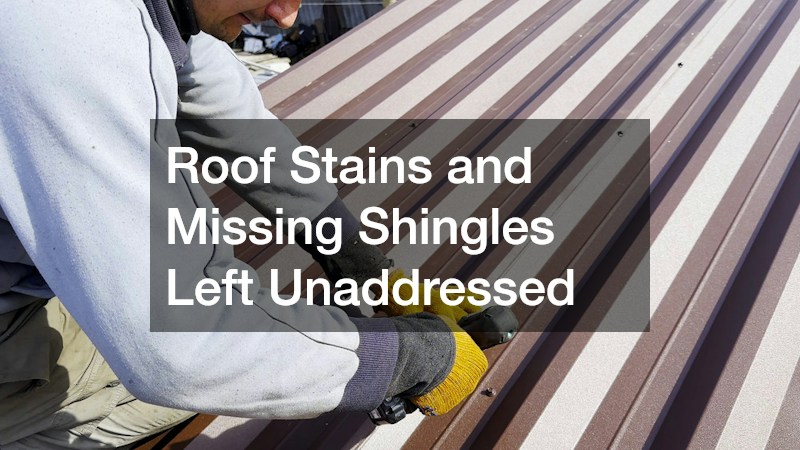
A small water stain on the ceiling or a handful of missing shingles often looks cosmetic, but it usually signals moisture getting into places it should never reach. Once water finds a path through the roof deck, it can quietly rot wood framing, ruin insulation, and feed mold growth long before any visible sign shows up indoors. What starts as a patch job can turn into a full deck replacement if ignored through even one rainy season.
Getting a professional opinion early is far cheaper than waiting for a leak to announce itself. A roofing contractor can typically spot early warning signs during a routine inspection, such as cracked flashing or granule loss, and address them for a fraction of what a full roof repair costs once water damage spreads.
- Curling, cracked, or missing shingles after a storm
- Granules collecting in gutters or downspouts
- Soft spots or sagging areas on the roofline
- Daylight visible through the attic boards
Water Heater Warning Signs Homeowners Often Ignore

A water heater that makes rumbling or popping noises, takes longer to heat, or leaks slightly around the base is telling you something important. That rumbling is usually sediment that has hardened at the bottom of the tank, forcing the burner to work harder and use more energy just to reach the same water temperature. Over time, this buildup traps heat against the tank wall and can crack the glass lining, which is often the first step toward a full failure. Corroding tanks and failing heating elements rarely fix themselves, and they tend to get worse in predictable ways. Rusty water, even just a faint tint, usually signals that corrosion has already reached the tank’s interior. A small leak today can become a flooded utility closet tomorrow, especially in units over eight years old, which is when most manufacturers stop expecting the tank to hold up. Homeowners who wait until the unit fails completely often end up paying for water damage cleanup on top of a full replacement, and that combination can easily run into the thousands. Flooring, drywall, and stored belongings near the unit are usually the first casualties. A simple annual flush and a periodic anode rod check, by contrast, often costs under $150 and can add years to the tank’s life.
A rumbling tank, lukewarm water, or a faint metallic smell are early clues that something inside your unit is failing. Sediment buildup, a corroding anode rod, or a worn heating element can all cause these symptoms, and none of them fix themselves over time. Scheduling water heater repair at the first sign of trouble is almost always less expensive than an emergency replacement, which can run well over $1,500 depending on tank size and fuel type. Puddles near the base, discolored water, or a pilot light that won’t stay lit are signals too many homeowners brush off as minor quirks. Left unaddressed, these issues often lead to tank rupture, water damage to floors and walls, or a complete system shutdown in the middle of winter. A technician can usually diagnose the root cause in under an hour, often for a fraction of what full replacement and cleanup would cost. Many companies that offer water heater services also perform routine flushing and inspection, which extends the life of the tank and keeps energy bills from creeping upward due to inefficient heating. Flushing removes mineral sediment that settles at the bottom of the tank, a common issue in areas with hard water, and this buildup forces the unit to work harder to heat the same volume of water. An annual inspection typically costs far less than the higher utility bills and shortened equipment lifespan that come from neglecting it.
- Rumbling or popping sounds during heating cycles — usually sediment buildup hardening at the tank bottom, forcing the burner to work harder and burn more fuel
- Lukewarm water or inconsistent temperature — often a failing heating element or a thermostat that’s slipped out of calibration
- Rusty or discolored water coming from taps — signals internal corrosion, especially if it happens on the hot side only and doesn’t clear after running the tap for a minute
- A sulfur or rotten-egg smell from hot water — can indicate bacteria in the tank reacting with the anode rod, a cheap fix if caught early
- Moisture pooling near the base of the tank — check fittings and the pressure relief valve first, since a cracked tank means full replacement
- Age of the unit past 8-10 years — even without obvious symptoms, older tanks are far more likely to fail suddenly and cause water damage
HVAC Filters and Airflow Problems That Compound Over Time
A clogged filter or a strange noise from the furnace or air conditioner is easy to shrug off, especially if the system still technically runs. But restricted airflow forces the equipment to work harder, which raises utility bills and shortens the lifespan of expensive components like compressors and blower motors. Left unchecked, a simple filter change can turn into a repair bill several hundred dollars higher.
Routine HVAC service twice a year catches small issues, like a failing capacitor or a refrigerant leak, before they cause a full system breakdown. Experienced HVAC contractors can also spot ductwork leaks and thermostat calibration issues that quietly waste energy every single day the problem goes unaddressed.
- Rising energy bills with no change in usage habits
- Uneven heating or cooling between rooms
- Unusual smells or noises when the system cycles on
- Frequent short cycling or the system running constantly
Cracked Caulking and Grout Around Wet Areas
Bathrooms and kitchens rely on caulking and grout to keep water out of walls and subfloors, but these materials degrade steadily with age and use. A hairline crack around a tub or sink might seem trivial, yet it allows moisture to seep behind tile and into drywall, where mold and rot can develop unseen. By the time discoloration or a soft spot appears, the damage is usually already extensive.
Resealing these areas takes an afternoon and minimal cost, while repairing water-damaged subfloor or wall studs can take days and involve significant demolition. Homeowners who make a habit of checking these seals twice a year rarely face the larger structural repairs that come from long-term water intrusion.
Driveway and Walkway Cracks Around the Property
Small cracks in concrete or asphalt driveways look harmless, but water seeps into them, freezes in colder months, and widens the gap every winter. Over a few seasons, this freeze-thaw cycle can turn a hairline crack into a full section of buckled pavement. Uneven walkways also create real tripping hazards, which can turn a cosmetic issue into a liability concern.
For larger properties or shared driveways, working with civil contractors to assess drainage and grading can prevent water from pooling near the foundation in the first place. Addressing runoff patterns early is often the difference between a simple crack seal and a full driveway replacement a few years down the line.
- Cracks wider than a quarter inch that keep growing
- Standing water on the driveway after rain
- Sunken or uneven sections near the garage
- Weeds or grass growing through pavement seams
Landscaping Neglect That Affects Drainage and Foundations

It is easy to think of yard maintenance as purely cosmetic, but overgrown beds and bare soil around the foundation can lead to real drainage problems. Without a protective layer, soil erodes quickly during heavy rain, and water can pool right against the foundation walls, increasing the risk of basement seepage. A fresh layer of mulch around garden beds and foundation lines helps regulate soil moisture and slows erosion significantly.
Beyond function, consistent yard upkeep also protects home value, since an overgrown or eroded landscape is one of the first things buyers and appraisers notice. Spending a weekend refreshing beds and clearing debris is a small investment compared to correcting foundation drainage issues later.
Outdated Kitchen Storage and Cabinet Wear

Cabinets that no longer close properly, drawers that stick, or shelves that sag under normal weight are not just cosmetic annoyances. Over time, these small mechanical failures put strain on hinges and framing, and what could have been a simple hardware fix turns into a full cabinet box replacement. Worn kitchen cabinets can also affect a home’s resale value, since kitchens are one of the first spaces buyers evaluate closely.
Homeowners looking to maximize both function and storage sometimes use these repairs as an opportunity to consider custom builtin cabinets, which can be designed to fit awkward spaces that standard units waste. Even without a full remodel, addressing loose hinges and warped panels early prevents the kind of structural sag that eventually requires tearing out the entire cabinet run.
- Doors or drawers that no longer align or close flush
- Visible water damage or swelling near the sink base
- Shelves sagging under normal dish or cookware weight
- Hardware that loosens repeatedly despite tightening
Small Electrical Issues That Signal Bigger Problems
Flickering lights, warm outlet covers, or breakers that trip occasionally are often dismissed because the lights still turn on and the problem seems minor. In reality, these symptoms frequently point to loose wiring, overloaded circuits, or aging panels that pose real fire risks. The National Fire Protection Association consistently ranks electrical failures among the leading causes of home fires, and many of those incidents start with warning signs homeowners noticed but ignored for months. A breaker that trips once during a heat wave might just mean too many appliances running at once. But a breaker that trips repeatedly, or one that feels hot to the touch, often signals a deeper wiring issue that a simple reset won’t fix. Discolored or buzzing outlets are another red flag, as they can indicate arcing behind the wall that gradually damages surrounding materials. Older homes are particularly vulnerable, since panels installed 25 to 40 years ago were rarely designed for today’s load of electronics, HVAC systems, and kitchen appliances. A licensed electrician can typically diagnose these issues in an hour or two, often for a few hundred dollars, compared to the thousands it can cost to repair fire damage or replace a failed panel entirely. Waiting until an outlet stops working entirely or a breaker fails during a storm means dealing with the issue under far more stressful and expensive circumstances. At that point, homeowners are often paying emergency service rates, scrambling to find an available electrician, and potentially living without power to part of the house until the repair is complete.
Flickering lights, warm outlet covers, a breaker that trips once a month, or a faint burning smell near a switch plate are easy to dismiss, but each one points to strain somewhere in the system. A licensed electrician can usually diagnose these issues quickly, and most fixes at this stage — tightening a loose connection, replacing a worn outlet, swapping a breaker — cost a few hundred dollars at most. Left alone, the same problems tend to compound. Loose wiring generates heat over time, and repeated overheating can degrade insulation until a room needs partial or full rewiring, a job that often runs into the thousands and may involve opening up walls. Keeping a simple log of which outlets or breakers act up, and when, gives any professional a helpful starting point for diagnosis. Note the date, the outlet or room involved, and whether anything unusual was plugged in at the time — a space heater, hair dryer, or old appliance can point to a circuit that’s simply overloaded rather than faulty. That log also helps you spot patterns before they become emergencies: a breaker that trips only in the kitchen, for instance, suggests a different fix than one that trips throughout the house. Bringing that record to an electrician can shave real time off a service call, since they’re not starting the diagnosis from scratch.
The theme running through every one of these examples is the same: small repairs cost little now and a great deal more later, both in money and in stress. Walking through your home this year with a critical eye, and addressing the minor issues you find, is one of the most effective ways to protect your investment. Start with the systems that affect safety and water intrusion first, then work through the rest of the list before small problems become expensive ones.
